
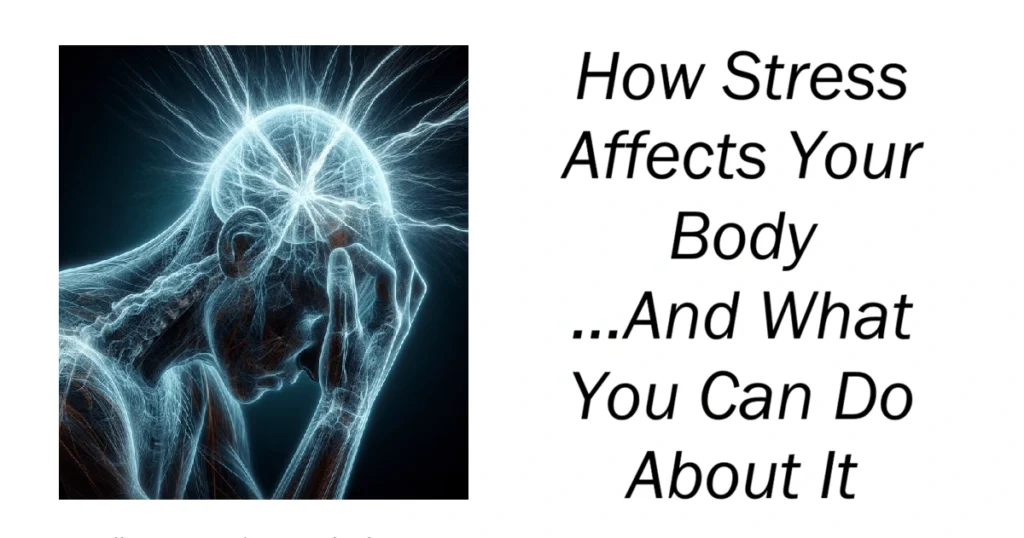
How Stress Affects Your Body …And What You Can Do About It
Stress is a normal part of life.
Deadlines, responsibilities, unexpected challenges—we all deal with them. But when stress becomes constant, it stops being just a feeling and starts affecting your entire body.
Over time, chronic stress can quietly disrupt your sleep, weaken your immune system, and even increase your risk of serious health conditions.
Understanding how stress impacts your body is the first step toward taking back control.
What Happens to Your Body Under Stress?
When you’re stressed, your body releases hormones like cortisol and adrenaline.
In short bursts, these hormones are helpful—they prepare you to react quickly in difficult situations.
But when stress sticks around for too long, these hormones stay elevated… and that’s where problems begin.
7 Ways Stress Can Make You Sick
1. Sleep Problems
Stress can interfere with your body’s natural sleep cycle by disrupting melatonin production.
This can lead to:
- Difficulty falling asleep
- Poor sleep quality
- Chronic fatigue
Over time, lack of sleep weakens your immune system and affects overall health.
2. Mental Health Struggles
Ongoing stress can take a serious toll on your mind.
It may lead to:
- Anxiety and panic attacks
- Depression
- Difficulty concentrating
- Memory issues
When your mind is constantly overwhelmed, even simple tasks can feel exhausting.
3. Heart and Blood Pressure Issues
Stress puts extra pressure on your cardiovascular system.
It can:
- Increase heart rate
- Raise blood pressure
- Contribute to heart disease risk
Some people even experience chest discomfort or irregular heartbeat during high stress.
4. Digestive Problems
Your gut and brain are closely connected—and stress can disrupt that balance.
Common issues include:
- Upset stomach
- Acid reflux
- Nausea
- Irritable bowel symptoms
Stress can either slow digestion or speed it up, causing discomfort either way.
5. Weakened Immune System
When stress becomes chronic, your body’s defenses drop.
This makes you more vulnerable to:
- Colds and flu
- Infections
- Inflammation
Your body simply can’t fight as effectively when it’s constantly under pressure.
6. Muscle Tension and Pain
Stress often shows up physically.
You might notice:
- Tight shoulders or neck
- Tension headaches
- Back pain
- Jaw clenching
Over time, this tension can lead to chronic pain or even migraines.
7. Hormonal Imbalance
Long-term stress can disrupt your body’s hormonal balance.
This may result in:
- Fatigue
- Hair loss
- Low energy or libido
- Irregular menstrual cycles
Your body struggles to stay in balance when stress is constant.
How to Reduce Stress and Feel Better
The good news? You don’t need drastic changes to start feeling better. Small, consistent habits can make a big difference.
Prioritize Sleep
Stick to a regular sleep schedule and create a calming nighttime routine.
Reducing screen time before bed can also help your body unwind.
Move Your Body
Exercise releases endorphins—your body’s natural stress relievers.
Try:
- Walking
- Yoga
- Strength training
Even light activity can improve your mood.
Eat for Your Mind and Body
What you eat affects how you feel.
Focus on:
- Whole, unprocessed foods
- Leafy greens
- Lean proteins
- Healthy fats like omega-3s
Limit sugar, caffeine, and processed foods when possible.
Practice Mindfulness
Simple techniques can calm your nervous system.
Try:
- Deep breathing
- Meditation
- Taking short breaks during the day
Even a few minutes can reset your mind.
Stay Connected
Talking to someone you trust can ease emotional pressure.
Whether it’s friends, family, or a support group, connection matters more than you think.
Set Boundaries
You don’t have to do everything.
Learn to:
- Say no when needed
- Prioritize what truly matters
- Make time for yourself
Protecting your time protects your mental health.
Cut Back on Caffeine and Alcohol
Too much caffeine can increase stress hormones, while alcohol can disrupt sleep.
Try alternatives like:
- Herbal teas
- Water with lemon or cucumber
Final Thoughts
Stress might be unavoidable—but letting it control your health doesn’t have to be.
By recognizing the signs early and making small, intentional changes, you can protect both your body and your mind.
Because feeling better isn’t about eliminating stress completely—it’s about learning how to manage it in a way that works for you.
You’ve just read How Stress Affects Your Body. Why not read Natural Foods That May Support Healthy Blood Flow