
This Simple Ice Cube Hack Might Be the Easiest Way to Water Your Houseplants
I came across this plant care trick recently—and at first, it sounded a little strange.
Putting ice cubes in your houseplants? Really?
But the more I looked into it, the more it started to make sense. In fact, this simple method is becoming increasingly popular among plant lovers—and for good reason.
Why Indoor Plants Need Smarter Watering
Indoor plants do more than just decorate a space. They bring a sense of calm, improve air quality, and add life to any room.
But keeping them healthy isn’t always easy—especially when it comes to watering.
Too much water can lead to root rot. Too little, and your plant dries out. Finding that balance can be tricky… unless you simplify the process.
The Ice Cube Trick Explained
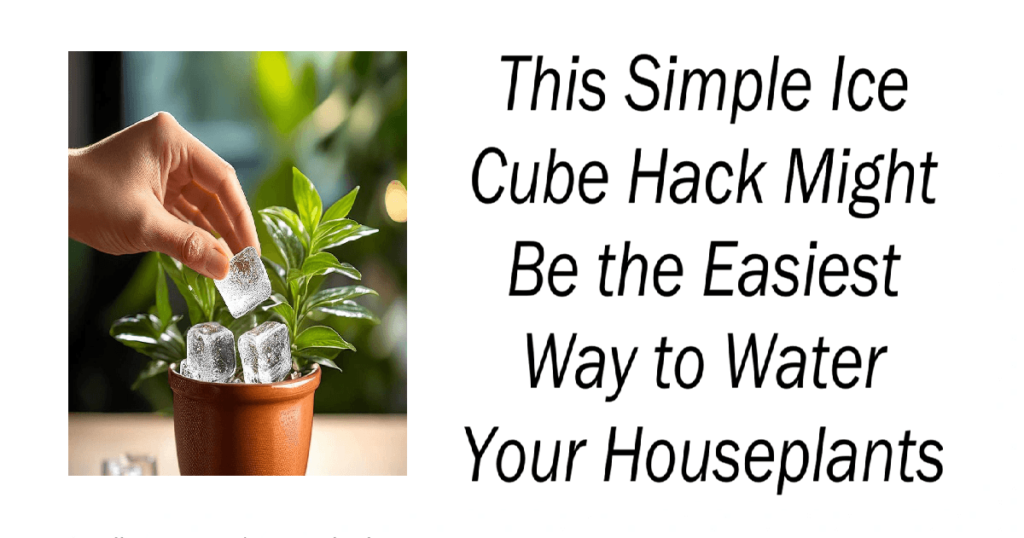
The idea is incredibly simple: instead of pouring water directly into the pot, you place a few ice cubes on top of the soil and let them melt slowly.
That’s it.
No measuring cups, no guesswork—just controlled, gradual watering.
Why This Method Actually Works
What makes this trick effective comes down to timing.
As the ice melts, it releases water slowly into the soil. This gives the roots time to absorb moisture evenly, rather than being overwhelmed by a sudden rush of water.
The benefits include:
- More controlled watering
- Reduced risk of overwatering
- Better moisture distribution
- Less mess and effort
For anyone who tends to overwater (which is more common than you’d think), this can be a game-changer.
How to Use Ice Cubes the Right Way
If you want to try it yourself, here’s a simple step-by-step approach:
- Know your plant – Different plants have different water needs, so check what yours prefers.
- Use small to medium ice cubes – Avoid large cubes that could shock the plant.
- Place them on the soil, not the stem – Keep cubes away from direct contact with the plant base.
- Let them melt naturally – No need to interfere—just let gravity do the work.
- Adjust as needed – Most plants will only need this once or twice a week.
Common Concerns (And the Truth)
You might be wondering: Won’t ice damage the plant?
It’s a fair question—but in most cases, the answer is no.
As the ice melts, it gradually warms to room temperature before reaching deeper into the soil. As long as you’re not placing large cubes directly against the stem or roots, the risk is minimal.
A Few Precautions to Keep in Mind
While this method works well for many plants, it’s not one-size-fits-all.
- Avoid using it on plants that are highly sensitive to cold
- Make sure your pot has proper drainage
- Don’t let water pool at the bottom
Like any care routine, it’s important to pay attention to how your specific plant responds.
Which Plants Benefit the Most?
Some plants tend to respond especially well to this method:
- Orchids – They thrive with slow, consistent moisture
- Succulents and cacti – A small amount of controlled water helps prevent overwatering
- Tropical plants – Smaller cubes can help maintain steady hydration
If you’re unsure, start small and observe.
Why So Many People Swear By It
Plant owners who’ve tried this trick often say the same thing—it makes plant care easier.
Whether you’re busy, forgetful, or just tired of guessing how much water to use, ice cubes offer a simple, low-effort solution.
It’s not just about convenience—it’s about consistency.
Final Thoughts
At first glance, watering plants with ice cubes might seem like a gimmick.
But in reality, it’s a clever way to give your plants exactly what they need—steady, controlled hydration without the risk of overdoing it.
Like many great hacks, its brilliance lies in its simplicity.
So if you’re looking for an easier way to care for your indoor plants, this might be one trick worth trying.
You’ve just read Ice Cube Hack Easiest Way to Water Your Houseplants. Why not read Can You Safely Drink Bathroom Tap Water