
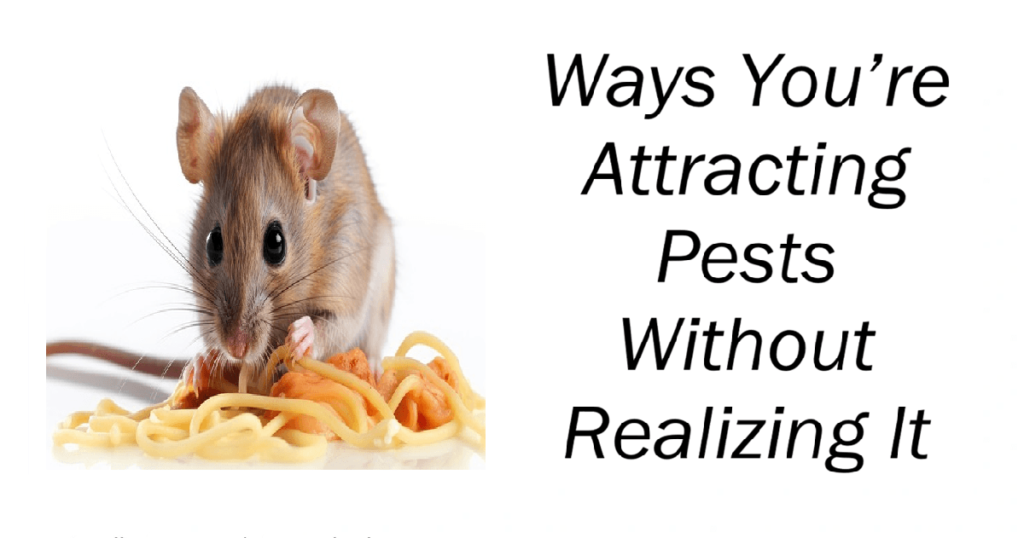
Ways You’re Attracting Pests Without Realizing It
You clean your home. You take out the trash. You try to stay organized.
And yet—somehow—the pests keep showing up.
Here’s the uncomfortable truth: most infestations don’t start with something obvious. They start with small, everyday habits you don’t think twice about.
From how you store food to where you place a light bulb, tiny details can quietly turn your home into the perfect environment for unwanted guests.
The good news? Once you know what to look for, these problems are surprisingly easy to fix.
Let’s break down the most common mistakes that could be attracting pests into your home—without you even realizing it.
1. Leaving Pet Food Out Overnight
That leftover pet food in the bowl? It’s an open invitation.
Ants, cockroaches, and even rodents see it as an easy, reliable food source.
What to do instead:
- Feed pets at set times
- Remove uneaten food promptly
- Store pet food in airtight containers
2. Your Diffuser Might Be Attracting Bugs
Essential oils smell great—but not just to you.
Certain scents, especially sweet or floral ones, can attract insects rather than repel them.
A smarter approach:
- Use oils like peppermint or citronella
- Keep diffusers away from doors and windows
- Use them in moderation
3. Indoor Composting Done the Wrong Way
Composting is great for the environment—but it can quickly turn into a pest magnet if not managed properly.
Fruit flies and gnats thrive in exposed food waste.
Avoid the problem by:
- Using a sealed compost bin
- Skipping meat, dairy, and oily foods
- Covering scraps with dry material like paper or leaves
4. Open Pantry Containers
An open bag of flour or cereal might not seem like a big deal—but to pests, it’s a feast.
Pantry moths and beetles can easily invade unsealed food.
Simple fix:
- Use airtight glass or plastic containers
- Regularly inspect shelves
- Clean with vinegar to deter pests
5. Overwatering Houseplants
Too much water doesn’t just harm your plants—it creates the perfect breeding ground for pests like fungus gnats.
Moist soil = ideal conditions for insects.
Keep things balanced:
- Let the top layer of soil dry between watering
- Use pots with drainage holes
- Improve airflow and drainage
6. Not Sealing Trash Bags Properly
Trash smells travel—and pests follow.
Loose or poorly sealed garbage bags attract flies, rodents, and even larger animals.
What helps:
- Tie bags tightly
- Use bins with secure lids
- Clean trash cans regularly
7. Ignoring Cracks and Crevices
Tiny gaps in your walls, floors, or windows may seem harmless—but they’re basically open doors for pests.
Insects can squeeze through spaces you’d never expect.
Stay ahead by:
- Sealing cracks with caulk
- Checking around windows and doors
- Inspecting utility entry points
8. Leaving Dirty Dishes Overnight
A sink full of dirty dishes is more than just an eyesore—it’s a food source.
Food residue and standing water attract cockroaches, ants, and bacteria.
Better habit:
- Wash dishes after meals
- At least rinse and stack them neatly
- Clean your sink regularly
9. Storing Firewood Indoors
It might feel convenient, especially in colder months—but firewood can carry hidden pests like termites and beetles.
Bringing it inside brings them with it.
Safer approach:
- Store firewood at least 20 feet from your home
- Keep it elevated
- Only bring in what you’ll use immediately
10. Neglecting Your Drains
Your drains may look clean—but inside, they can collect grease, food particles, and buildup that pests love.
Drain flies and cockroaches thrive in these environments.
Keep them clean by:
- Flushing with baking soda and vinegar
- Using drain covers
- Cleaning regularly to prevent buildup
Bonus: Your Outdoor Lights Could Be the Problem
Bright white lights attract insects—and where insects gather, bigger pests often follow.
A simple switch:
- Use yellow or sodium-style lighting
- Place lights away from doors and windows
- Consider motion-activated lights
Final Thoughts
Pest problems rarely start with something big.
More often, they come from small, everyday habits that slowly make your home more inviting.
The key isn’t perfection—it’s awareness.
By fixing these simple mistakes, you can make your space far less appealing to pests—and a lot more comfortable for yourself.
Because sometimes, the difference between a pest-free home and an infestation… comes down to the little things you didn’t notice.
You’ve just read Ways You’re Attracting Pests Without Realizing It . Why not read Foods That Can Quietly Raise Your Blood Pressure