
Why People Are Putting Spoons in Their Gardens …And How You Can Help Save Bees
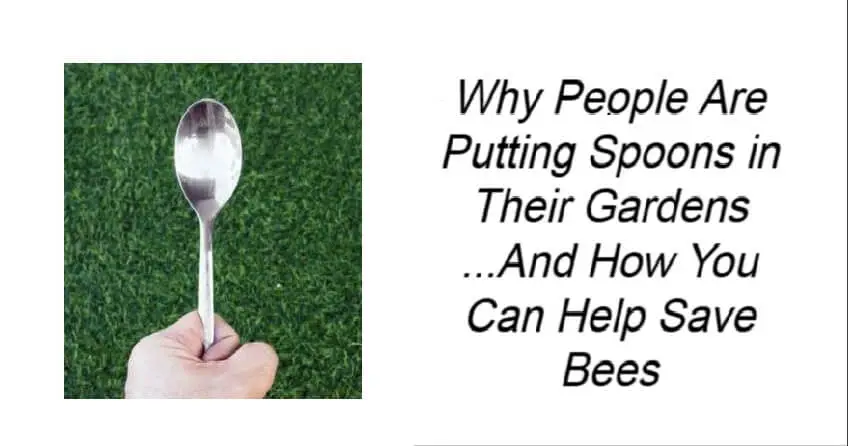
Have you ever walked past a garden and noticed a spoon lying on the ground, filled with a little liquid? It might seem strange at first—but there’s actually a meaningful reason behind this small act.
It’s all about helping bees.
The Quiet Crisis Facing Bees
Bees are some of the most important creatures on our planet. As pollinators, they play a crucial role in growing the food we eat—supporting crops that feed a large portion of the global population.
But here’s the worrying part: bee populations have been declining rapidly in recent years. Habitat loss, pesticides, climate change, and disease have all contributed to this drop.
You may have even heard warnings from naturalists about what could happen if bees disappeared entirely. While some claims online are exaggerated, the core message is true—without bees, our ecosystems and food systems would struggle in a big way.
Why a Spoon of Sugar Water Helps
So, where does the spoon come in?
Sometimes, bees become exhausted. After long hours of flying and collecting nectar, they can run out of energy before making it back to their hive. When that happens, they may appear motionless or even dead.
But often, they’re just tired.
That’s where a simple mix of sugar and water can help.
By placing a small amount of sugar water on a spoon, you’re giving these bees a quick energy boost—almost like a natural “fuel stop.” If the bee is simply exhausted, this can help it recover and continue on its way.
How to Do It Properly
If you’d like to help, here’s the right way to do it:
You’ll need:
- 2 tablespoons of white sugar
- 1 tablespoon of water
Steps:
- Mix the sugar and water until dissolved.
- Place a small amount on a spoon.
- Leave it in a visible spot in your garden or balcony.
A Few Important Notes
- Only use white sugar—not honey or artificial sweeteners
- Don’t overdo it—this is for occasional help, not regular feeding
- If possible, place it near flowers where bees naturally visit
Go One Step Further
While helping a tired bee is a beautiful gesture, there are even bigger ways to make a lasting impact:
- Plant bee-friendly flowers like lavender, wildflowers, or sunflowers
- Avoid using harmful pesticides
- Create a garden that supports pollinators year-round
- Share awareness with others
Small Actions, Big Impact
What’s powerful about this idea isn’t just the spoon—it’s what it represents. A reminder that even the smallest act of kindness can ripple outward and make a difference.
Helping one bee might seem tiny. But when more people take part, those small actions add up.
So next time you see a bee resting nearby, you’ll know—it might just need a little help getting back on its wings.
You’ve just read Why People Are Putting Spoons in Their Gardens. Why not read I Mixed This Into My Yogurt Every Day