
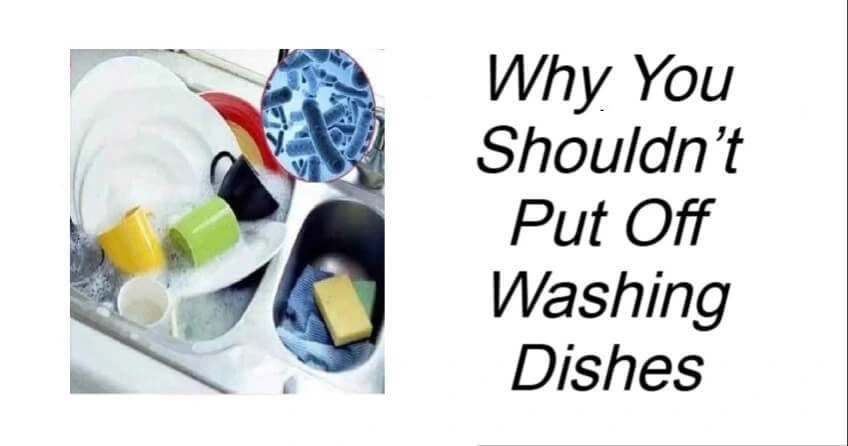
Why You Shouldn’t Put Off Washing Dishes
We’ve all been guilty of it—letting dirty dishes pile up in the sink, either to tackle them all at once or simply because we’re procrastinating. But delaying this seemingly small task can have bigger consequences than you might think. From hygiene concerns to the lifespan of your cookware, there are plenty of reasons to wash dishes promptly.
Let’s break down why leaving dishes unwashed isn’t just messy—it can be risky.
1. Bacteria and Germs Multiply Fast
Dirty dishes are a playground for bacteria. Leftover food provides nutrients for microorganisms like E. coli and Salmonella, which can multiply rapidly. Kitchen sponges and dishcloths, often used to clean dishes, can harbor these bacteria too.
Why it matters: Cross-contamination can lead to foodborne illnesses, so washing dishes immediately after use is not just about tidiness—it’s about health.
2. Unwashed Dishes Attract Pests
Leftover food smells irresistible to ants, cockroaches, and fruit flies. These pests are more than annoying—they can carry harmful pathogens.
Tip: Keeping up with dishwashing helps maintain a pest-free kitchen and keeps your home hygienic.
3. Say Goodbye to Foul Odors
Food residues left on dishes eventually decompose, creating unpleasant smells that can linger in your kitchen—and even spread to nearby rooms.
Solution: Regular, timely dishwashing prevents odor buildup and keeps your home smelling fresh and welcoming.
4. Prevent Stubborn Stains and Residues
Certain foods, especially those high in sugar or acid, can stain or etch plates, bowls, and glasses if left too long. Over time, these stains can become permanent.
Pro tip: Wash dishes promptly to keep your tableware looking clean and new.
5. Protect Your Cookware
Cast iron pans, non-stick pots, and other cookware can suffer if food is left to sit. Moisture and leftover residues can cause rust, pitting, or coating damage. Cast iron skillets, for example, need immediate cleaning and drying to maintain their seasoning.
Why it matters: Proper care extends the life of your cookware, saving you money and frustration.
6. Less Scrubbing, Less Stress
When food hardens on dishes overnight, cleaning becomes a major chore. You’ll need more scrubbing, stronger detergents, and more water.
Benefit: Washing dishes promptly keeps cleanup quick and easy.
Best Practices for Dishwashing
Here’s how to make dishwashing efficient and hygienic:
- Rinse Immediately: If you can’t wash right away, rinse dishes under warm water to prevent residue from hardening.
- Choose the Right Tools: Dishwashing brushes dry faster and harbor fewer bacteria than sponges.
- Replace Cleaning Tools Regularly: Swap out sponges and dishcloths often; microwaving damp sponges for a minute can also reduce bacteria.
- Dry Properly: Make sure dishes and cookware are completely dry before storing to prevent mold and rust.
- Clean Your Equipment: Keep your dishwasher, drying rack, and sinks clean to avoid bacteria buildup.
Final Thoughts
Dishwashing may seem small, but neglecting it can affect your health, kitchen hygiene, and even the longevity of your cookware. By washing dishes promptly, you maintain a cleaner, safer, and more pleasant kitchen—and make your daily routine more efficient.
A little consistency goes a long way—your sink, your cookware, and your future self will thank you!
You’ve just read, Why You Shouldn’t Put Off Washing Dishes. Why not read Manager Had To Hire A New Employee.