
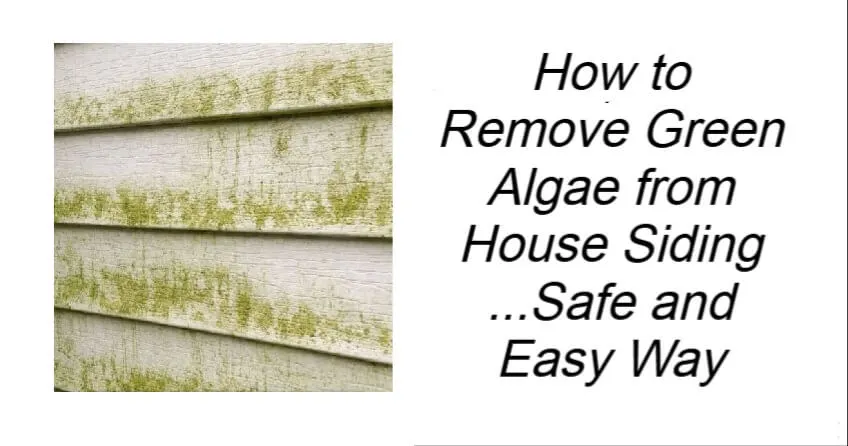
How to Remove Green Algae from House Siding …Safe and Easy Way
Green algae growing on your home’s siding is a common — and frustrating — problem. It tends to appear in areas with frequent rain, heavy shade, or poor airflow. While it may start as a faint green tint, over time it can make your home look dull and neglected.
The good news? You don’t need harsh chemicals or expensive tools to fix it. With a few simple supplies and the right method, you can safely restore your siding’s clean appearance.
Why Does Green Algae Grow on Siding?
Algae, moss, and mildew thrive in damp, shaded environments. If your siding:
- Doesn’t receive much direct sunlight
- Is surrounded by trees or shrubs
- Stays damp due to poor drainage or clogged gutters
…it becomes the perfect breeding ground for algae.
Materials like vinyl, wood, brick, and fiber cement all have enough texture for spores to attach and spread. If left untreated, algae can:
- Trap dirt and moisture
- Cause staining or discoloration
- Contribute to gradual surface wear
Regular cleaning protects both your home’s appearance and its longevity.
Safety First: What You’ll Need
Before you begin, gather these basic supplies:
- Garden hose with spray nozzle
- Soft-bristle brush or long-handled scrub brush
- Bucket
- Cleaning solution (options below)
- Protective gloves and safety glasses
⚠️ Avoid high-pressure washers on older siding. Strong pressure can force water behind panels and lead to costly damage. A gentle spray combined with cleaning solution is usually more than enough.
DIY Cleaning Solutions That Actually Work
You don’t need harsh chemicals. These simple, affordable options are effective and safer for your home and landscaping.
1. Vinegar Solution (Natural and Simple)
Mix equal parts white vinegar and water.
- Apply to affected areas
- Let sit for 10–15 minutes
- Scrub gently
- Rinse thoroughly
Vinegar’s mild acidity helps inhibit algae growth naturally.
2. Oxygen Bleach Mix (Strong but Eco-Friendly)
Mix:
- 1 cup oxygen bleach (sodium percarbonate)
- 2–3 gallons warm water
Apply, let sit for 10–15 minutes, scrub gently, then rinse. Oxygen bleach is biodegradable and less harsh than chlorine bleach.
3. Dish Soap and Warm Water (For Light Growth)
For minor algae buildup:
- Add a few tablespoons of dish soap to warm water
- Scrub gently
- Rinse well
This works well for early-stage growth or maintenance cleaning.
Avoid Chlorine Bleach (If Possible)
While effective, chlorine bleach can:
- Damage nearby plants
- Fade paint
- Corrode metal trim
Only use it if other options fail — and dilute carefully.
Step-by-Step Cleaning Process
Follow this order for best results:
1. Test First
Apply your solution to a small hidden area to ensure it won’t discolor or damage the siding.
2. Pre-Wet the Area
Lightly spray the siding with water before applying cleaner.
3. Apply Cleaning Solution
Start at the bottom and work upward. This prevents streaking and premature drying.
4. Let It Sit
Allow 10–15 minutes for the solution to break down the algae.
5. Scrub Gently
Use a soft-bristle brush. Avoid harsh scrubbing that could wear away paint or texture.
6. Rinse Thoroughly
Use a garden hose with moderate pressure to wash away residue.
How to Prevent Algae from Coming Back
Once your siding is clean, take steps to reduce future growth:
- Trim shrubs and tree branches to increase sunlight and airflow
- Clean gutters regularly to prevent overflow
- Fix drainage issues around your foundation
- Wash siding seasonally to stop buildup early
Prevention is far easier than deep cleaning later.
When to Call a Professional
If:
- Algae covers a large section of your home
- Stains remain after cleaning
- Growth keeps returning quickly
…it may be time to call a siding cleaning service. Professionals use specialized low-pressure systems and eco-friendly treatments that can handle larger or more stubborn areas safely.
Final Thoughts
Green algae on siding is common — especially in damp or shaded environments — but it doesn’t have to be permanent. With simple tools and gentle cleaning solutions, you can restore your home’s appearance without causing damage.
A little maintenance goes a long way in keeping your siding looking fresh, bright, and protected for years to come.
You’ve just read, How to Remove Green Algae. Why not read Manager Had To Hire A New Employee.