
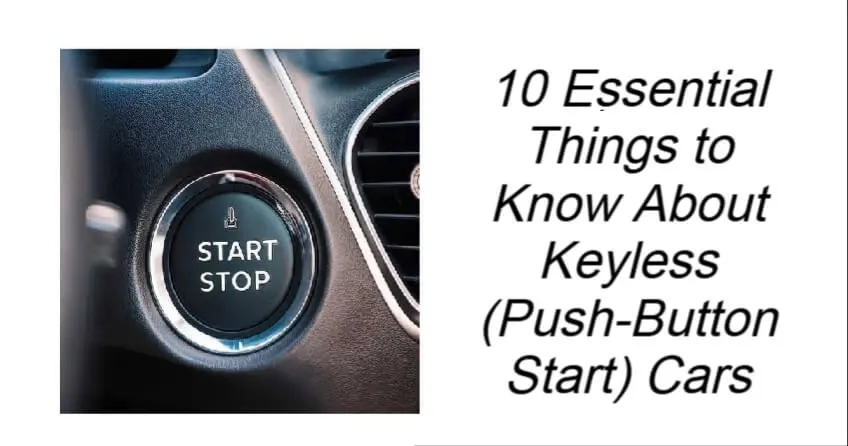
10 Essential Things to Know About Keyless (Push-Button Start) Cars
Keyless, push-button start cars have become the norm rather than the exception. They offer sleek convenience, faster access, and modern security features—but recent reports show there’s more happening behind the scenes than most drivers realize. From advanced encryption to surprising safety risks, here are 10 essential things you should know about keyless vehicles.
1. How Keyless Entry Actually Works
Keyless systems rely on Radio Frequency Identification (RFID) technology. Your key fob emits a coded radio signal that your car recognizes when it’s nearby. Once the signal is verified, the vehicle unlocks and allows the engine to start with the push of a button—no physical key required.
2. Rolling Codes and Encryption Improve Security
To prevent signal copying, modern keyless systems use rolling codes that change every time the fob is used. Combined with encryption, this makes simple “replay” attacks far more difficult and adds an important layer of protection.
3. Relay Theft: How Cars Can Be Stolen in Minutes
One of the biggest vulnerabilities is relay theft. Thieves use signal-boosting devices to capture your fob’s signal—even when it’s inside your home—and relay it to the car, tricking it into unlocking. Vehicles from brands like Hyundai, Kia, Tesla, Chevrolet, Ford, and Toyota have all been reported as potential targets.
4. CAN-Injection: A Growing Cyber Threat
Cybersecurity researchers have identified more advanced attacks, including CAN-injection and exploits like RollJam and RollBack. These techniques can bypass modern protections by injecting commands directly into a vehicle’s internal network—even long after the original key signal was used.
5. A Hidden Safety Risk: Leaving the Car Running
Because keyless cars are quiet and don’t require removing a key, drivers sometimes forget to turn them off. This has led to dangerous carbon monoxide buildup, particularly in garages, and has been linked to dozens of fatal incidents worldwide.
6. Key Fob Design Makes a Difference
Not all key fobs are created equal. Older or basic fobs may continuously transmit signals, increasing theft risk. Newer fobs often include motion sensors that stop transmitting when left still, significantly reducing vulnerability to relay attacks.
7. Immobilisers Are Still Essential
Keyless technology alone isn’t enough. Engine immobilisers remain a crucial security layer. Vehicles without them—especially some pre-2022 Hyundai and Kia models—can be stolen even when locked, highlighting the importance of multiple defenses.
8. Laws and Regulations Are Catching Up
Governments and regulators are beginning to respond. In the UK, proposed laws may ban unauthorized relay devices used in car theft. Automakers are also facing legal pressure to disclose vulnerabilities and issue software or hardware fixes.
9. Convenience Can Improve Safety
Despite the risks, keyless systems offer real benefits. They improve accessibility for drivers with limited mobility, reduce accidental lock-ins, and support features like auto-locking, immobilizer checks, and engine shut-off safeguards.
10. Smart Defenses for Smart Cars
You can significantly reduce risk with a few simple steps:
- Store key fobs in Faraday pouches to block signals
- Use steering wheel locks or secondary immobilisers
- Park in secure, well-lit areas or garages
- Enable built-in security features (such as Tesla’s PIN-to-Drive)
- Stay updated on software patches and recall notices
Final Takeaway
Keyless cars deliver modern convenience, but they also introduce new risks—from relay theft and cybersecurity exploits to carbon monoxide hazards. The good news? Awareness goes a long way. By understanding how these systems work and taking a few smart precautions, you can enjoy the benefits of keyless technology while staying safer on the road.
You’ve just read, Things to Know About Keyless Cars. Why not read Manager Had To Hire A New Employee.