
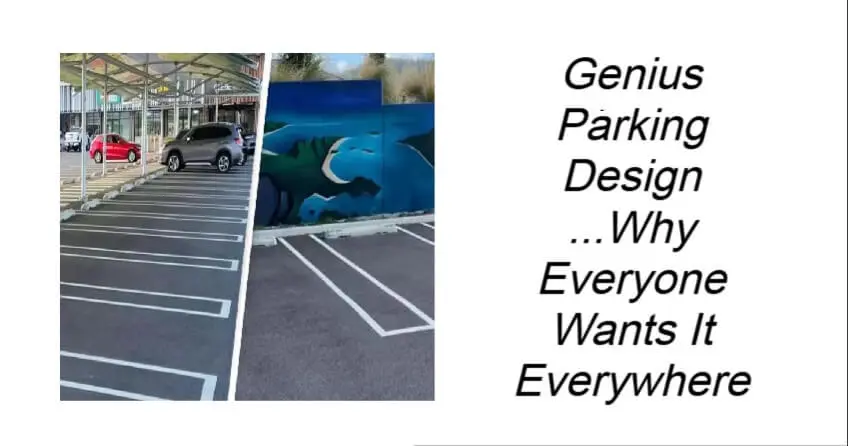
Genius Parking Design …Why Everyone Wants It Everywhere
If you’ve ever returned to your car to find a dented door or struggled to squeeze your kids into a tiny parking space, Tasmania’s Glebe Hill Shopping Centre might have just solved your problem. A new parking layout there is drawing attention online, with drivers calling it a game-changer for car parks worldwide.
How It Works: Extra Space Between Spots
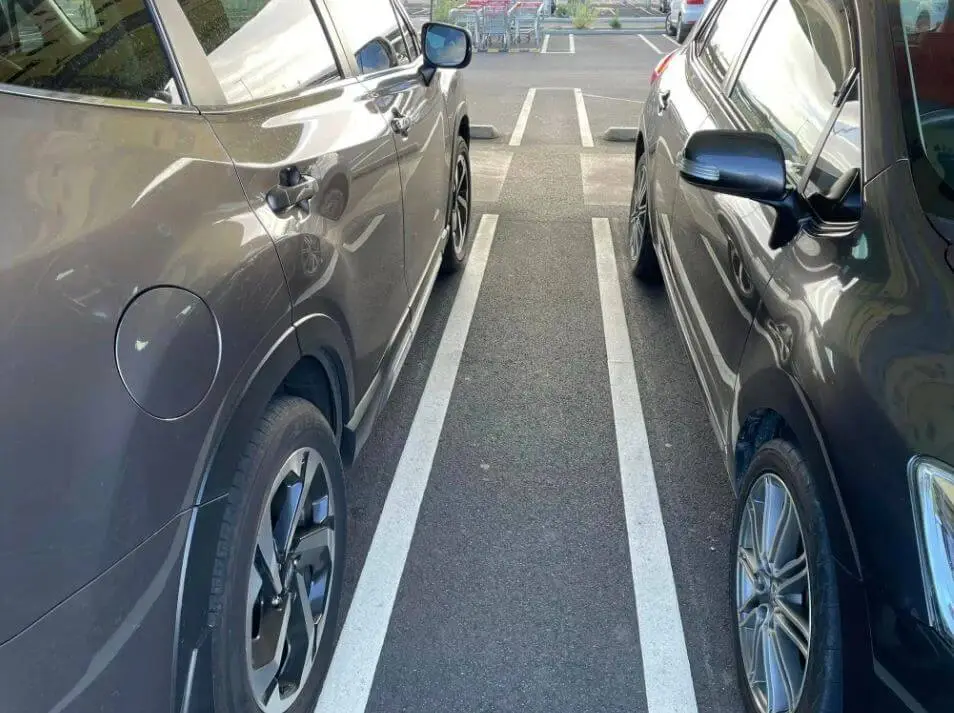
Instead of the traditional single line separating parking bays, Glebe Hill has introduced double-line “buffer zones”—rectangular boxes that create extra space on either side of each vehicle. While this approach reduces the total number of spots, it significantly improves maneuvering room and ease of entry and exit, making parking less stressful and more accessible.
Why Drivers Are Loving It
1. Easier Parking, Less Stress
Parking can be one of the most anxiety-inducing parts of driving. With the added breathing room, shoppers report feeling more confident and less worried about scraping neighboring cars.
2. Fewer Door Dings
Social media is full of praise. One Facebook user wrote: “All car parks should adopt this method… fairly unlikely you will get a ding in your door… 95 percent effective.”
The design minimizes the risk of dents and scratches, making it a win for every car owner.
3. Better for Families and Accessibility
Parents and caregivers especially appreciate the extra space for loading kids and car seats. One commenter noted: “Can hardly get your kids out of the car with the way they are now … All places need it.”
The layout also benefits drivers with limited mobility, giving them more room to enter and exit vehicles safely.
Public Reaction: “Elite” Parking
Social media users have been calling it “the best designed car park I have ever been to” and “absolutely elite.” Drivers frustrated by shrinking standard spots—especially as SUVs and larger vehicles become more common—are asking: why isn’t this the norm?
The Trade-Off: Fewer Spots for More Comfort
The main downside? Fewer total parking spaces. Some businesses may hesitate to adopt the design for that reason. However, supporters argue that fewer spaces in exchange for reduced stress, fewer accidents, and improved accessibility is a worthwhile compromise.
Could Buffer Zones Catch On Globally?
It’s not entirely unprecedented—some UK supermarkets have tried wider bays—but the Glebe Hill layout has reignited conversation online. With rising car sizes and a growing emphasis on accessibility, urban designers and car park planners may need to reconsider traditional layouts.
Final Thoughts: A Small Change, Big Impact
Glebe Hill’s double-line buffer zones tackle a universal frustration: cramped parking. Benefits include:
- Reduced stress while parking
- Lower risk of vehicle damage
- Improved accessibility for families and those with limited mobility
While businesses may lose a few spaces, the overall experience and safety gains make the trade-off appealing. As one happy driver put it:
“10/10, would recommend to a friend—now can other parking lots please take notes?”
In Summary
Tasmania’s buffer-zone parking design shows that small adjustments can make a huge difference. By giving each vehicle extra breathing room, it eases stress, prevents damage, and improves usability—especially for families. The concept may reduce parking capacity slightly, but the positive reception suggests a smart, practical model that could set the standard for car parks worldwide.
You’ve just read,Genius Parking Design . Why not read A Desk Clerk at a Hotel Gets a Call From a Drunk Guy