
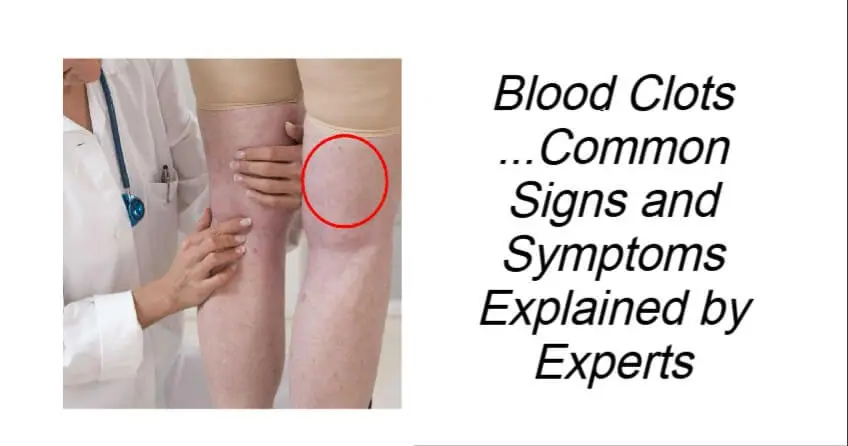
Blood Clots …Common Signs and Symptoms Explained by Experts
A blood clot—medically known as a thrombus—is a gel-like mass of blood that forms inside an artery or vein. In many cases, clotting is a normal and necessary process that helps stop bleeding after an injury. But when clots form without a clear reason or don’t dissolve properly, they can block blood flow and lead to serious, potentially life-threatening conditions known as thrombosis.
Understanding where blood clots commonly occur and how they feel can make a critical difference in getting help early.
Common Locations of Blood Clots and Their Symptoms
1. Deep Vein Thrombosis (DVT)
Deep vein thrombosis typically develops in the deep veins of the legs, though it can also occur in the arms. Symptoms often affect only one limb and may include:
- Swelling and tenderness
- Warmth and redness of the skin
- Pain that feels like cramping or muscle strain, especially in the calf
Because these symptoms can be subtle at first, DVT is sometimes mistaken for a pulled muscle.
2. Pulmonary Embolism (PE)
A pulmonary embolism occurs when a clot—often from a DVT—breaks loose and travels to the lungs. This is a medical emergency. Symptoms may include:
- Sharp or stabbing chest pain, especially with deep breathing
- Sudden shortness of breath
- Rapid heartbeat
- Coughing, sometimes with blood
PE can develop suddenly and requires immediate medical attention.
3. Coronary Artery Clot (Heart Attack)
When a clot blocks blood flow to the heart, it can trigger a heart attack. Common warning signs include:
- Heavy pressure, tightness, or pain in the chest
- Pain radiating to the arms, neck, jaw, or back
- Shortness of breath
- Nausea, sweating, or lightheadedness
4. Blood Clot in the Brain (Stroke)
A clot that blocks blood flow to the brain can cause a stroke. Symptoms often appear suddenly and may include:
- Weakness or numbness on one side of the body
- Trouble speaking or understanding speech
- Vision problems
- Sudden severe headache or dizziness
- Loss of coordination or balance
What Does a Blood Clot Feel Like?
The sensation of a blood clot varies depending on its location and severity. Some people notice only mild discomfort at first, while others experience sudden, intense symptoms.
- DVT: warmth, swelling, and aching or cramp-like pain in one limb
- Pulmonary embolism: stabbing chest pain and difficulty breathing
- Heart-related clots: pressure in the chest that may spread to the arm or jaw
- Brain clots: facial drooping, confusion, numbness, or coordination problems
Mild symptoms can quickly escalate, which is why early attention matters.
Risk Factors to Be Aware Of
Several factors can increase the risk of developing blood clots, including:
- Prolonged immobility (long flights, bed rest)
- Recent surgery or physical trauma
- Obesity and smoking
- Cancer or certain chronic illnesses
- Birth control pills or hormone therapy
- Genetic clotting disorders
- Older age (risk increases after 60)
When to Seek Medical Help
You should seek immediate medical care if you experience:
- Sudden chest pain or trouble breathing
- Unexplained swelling, pain, or warmth in one leg or arm
- Signs of a stroke, such as facial drooping or sudden numbness
When it comes to blood clots, it’s always better to be cautious.
How Blood Clots Are Diagnosed and Treated
Diagnosis
Doctors may use a combination of tools, including:
- Physical exams and medical history
- Ultrasound imaging to detect clots in limbs
- CT scans or angiograms for clots in the lungs, heart, or brain
- Blood tests such as a D-dimer test
Treatment
Treatment depends on the clot’s location and severity, but may include:
- Anticoagulants (“blood thinners”) to prevent clot growth
- Thrombolytics (“clot-busting” drugs) in emergencies
- Compression stockings for DVT
- Surgical procedures or filters in severe cases
Prevention Strategies
To help lower your risk of blood clots:
- Stay physically active and avoid long periods of sitting
- Maintain a healthy weight and balanced diet
- Avoid smoking
- During long travel, move frequently and consider compression socks
Final Thoughts
Blood clots can range from mild discomfort to life-threatening emergencies. Warning signs such as one-sided limb swelling, chest pain, shortness of breath, or sudden neurological symptoms should never be ignored.
Understanding the symptoms, recognizing your risk factors, and seeking prompt medical care can dramatically reduce the risk of complications like pulmonary embolism, heart attack, or stroke. If something feels unusual—especially if it appears suddenly—trust your instincts and get medical help. Early detection truly can save lives.
You’ve just read, Blood Clots. Why not read Manager Had To Hire A New Employee.