
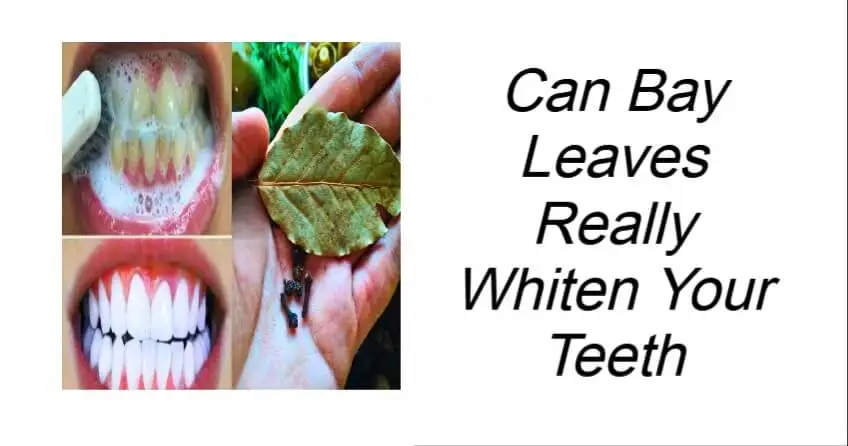
Can Bay Leaves Really Whiten Your Teeth
The desire for a brighter, whiter smile has led many people to try everything from whitening trays and strips to gels, pens, and professional dental treatments. More recently, social media has introduced a new trend: using bay leaves as a natural teeth-whitening solution. According to viral claims, rubbing bay leaves on your teeth can lift stains, freshen breath, and brighten your smile—without chemicals.
But does this method actually work? And more importantly, is it safe?
Let’s take a closer look at what bay leaves can realistically do for your oral health—and what they cannot.
What Are Bay Leaves?
Bay leaves come from Laurus nobilis, an evergreen plant widely used in Mediterranean, Middle Eastern, and South Asian cuisine. Beyond their culinary role, bay leaves have a long history in traditional medicine and are known to contain compounds with:
- Antioxidant properties
- Anti-inflammatory effects
- Antibacterial and antifungal activity
These qualities can be beneficial for general health and may support oral hygiene in limited ways. However, tooth whitening is a very specific process, and not all natural ingredients are capable of achieving it.
Why Teeth Become Yellow in the First Place
To understand why bay leaves fall short as a whitening remedy, it helps to know what causes tooth discoloration.
Extrinsic Stains
These are surface stains caused by:
- Coffee and tea
- Red wine
- Smoking or vaping
- Plaque buildup
Surface stains can sometimes be reduced with polishing or mild abrasives.
Intrinsic Discoloration
This type of yellowing occurs inside the tooth and is caused by:
- Aging and enamel thinning
- Genetics
- Certain medications
- Dental trauma
Intrinsic stains cannot be removed by scrubbing. They require bleaching agents that penetrate enamel—something herbs and spices simply cannot do.
Potential Oral Health Benefits of Bay Leaves
There are no clinical studies proving that bay leaves whiten teeth. However, some properties may indirectly support a cleaner, healthier mouth.
1. Mild Abrasive Action (Surface Level Only)
Dried or ground bay leaves have a slightly gritty texture. When rubbed on teeth, they may help remove surface film or very mild staining through mechanical abrasion.
Important caution: Repeated or aggressive use may scratch enamel, increasing sensitivity and making teeth more prone to staining over time.
2. Temporary Breath Freshening
Bay leaves contain aromatic oils such as cineole and eugenol, which can reduce odor-causing bacteria temporarily. This may leave the mouth feeling fresher, though the effect is short-lived.
3. Mild Gum Support
Anti-inflammatory and antibacterial compounds may help calm minor gum irritation and reduce plaque buildup. Less plaque can make teeth appear slightly brighter—but again, this is about cleanliness, not whitening.
DIY Bay Leaf Remedies: What Actually Works?
Bay Leaf Tooth Powder
Popular recipes often mix:
- Crushed bay leaves
- Baking soda
- Coconut oil
What’s doing the work?
- Baking soda is a proven mild abrasive
- Coconut oil may help reduce bacteria
- Bay leaves mainly add scent and texture
Any whitening effect comes primarily from baking soda, not bay leaves.
Bay Leaf Mouth Rinse
Boiled bay leaf infusions may:
- Freshen breath
- Support mild gum comfort
Bay Leaf and Turmeric Paste
Despite viral claims, turmeric is naturally yellow and can temporarily stain teeth. Any perceived brightness usually comes from a short-term coating effect—not true stain removal.
Why Bay Leaf “Whitening” Is Mostly a Myth
- No scientific evidence supports bay leaves as a whitening agent
- Any visible change comes from surface cleaning, not bleaching
- True whitening requires peroxide-based compounds that penetrate enamel
In short, bay leaves may help teeth look cleaner—but not whiter.
Safety Tips If You Choose to Experiment
If you still want to try bay leaves, keep safety in mind:
- Use gently and only occasionally
- Never scrub teeth with raw leaves
- Avoid acidic ingredients like lemon or vinegar
- Do not swallow concentrated preparations
- Never replace brushing, flossing, or fluoride toothpaste
- Consult a dentist if you have sensitive teeth, crowns, veneers, or gum issues
Better Natural-Leaning Ways to Brighten Teeth
If you prefer gentler, evidence-based methods:
- Brush twice daily with fluoride toothpaste
- Use baking soda sparingly (once or twice per week max)
- Try coconut oil pulling to help reduce plaque
- Eat crunchy fruits and vegetables that naturally clean tooth surfaces
- Limit coffee, tea, red wine, and tobacco
- Stay well hydrated
For noticeable whitening, dentist-approved over-the-counter kits or professional treatments remain the most reliable options.
Final Thought: Nature Supports — It Doesn’t Replace Science
Bay leaves are valuable for cooking, tradition, and possibly supporting oral freshness. But they are not a proven teeth-whitening remedy.
A brighter smile doesn’t come from rubbing a spice on your teeth.
It comes from protecting enamel, practicing consistent oral care, and using evidence-based whitening methods when needed.
Nature offers support—but not shortcuts.
Disclaimer: This article is for informational purposes only and does not replace professional dental advice. Always consult your dentist before trying new whitening methods, especially if you have sensitive teeth, restorations, or gum concerns.
You’ve just read, Can Bay Leaves Really Whiten Your Teeth. Why not read Manager Had To Hire A New Employee.