
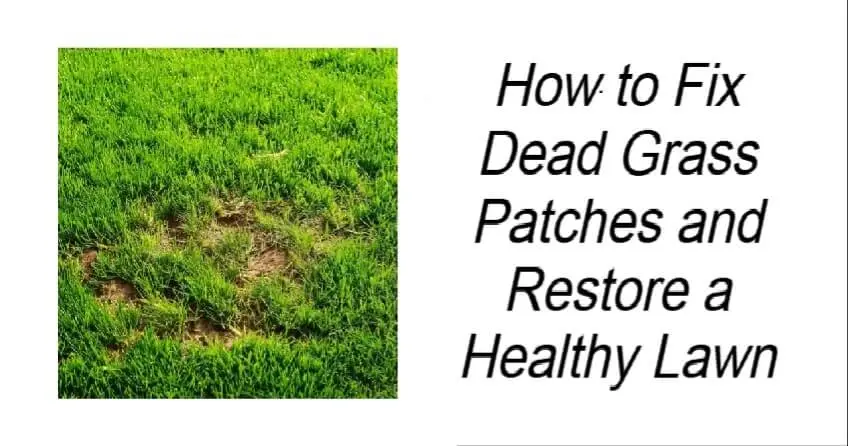
How to Fix Dead Grass Patches and Restore a Healthy Lawn
Dead patches of grass can be frustrating—especially when you’ve invested time and effort into keeping your lawn green and healthy. Whether the damage comes from pests, disease, drought, or heavy foot traffic, bare spots can quickly make your yard look neglected. The good news? With a little patience and the right approach, you can revive your lawn and bring it back to life.
Step 1: Identify the Cause
Before repairing dead grass, it’s important to understand what caused the damage in the first place. Take a close look at the affected area. Check for pests such as grubs, signs of fungal disease, compacted soil, poor drainage, or excessive shade. Dog urine, drought stress, and frequent foot traffic are also common culprits. Identifying the root cause ensures the problem won’t return after you’ve repaired the patch.
Step 2: Remove the Dead Grass
Once you’ve pinpointed the cause, clear out the damaged area. Use a rake or garden hoe to remove dead grass, roots, and debris. For larger patches, a small sod cutter may be more efficient. Removing the dead material creates a clean surface and allows new grass to make direct contact with the soil.
Step 3: Loosen and Prepare the Soil
After clearing the area, loosen the soil using a rake or garden fork. This improves aeration and helps water and nutrients reach developing roots. If the soil is poor or compacted, mix in compost or fresh topsoil to improve quality. Level the surface so it matches the surrounding lawn for a smooth, natural look.
Step 4: Choose the Right Grass
Selecting the right grass type is key to a seamless repair. Match the new grass to the existing lawn and consider factors such as climate, sunlight, and foot traffic. Grass seed works well for small patches, while sod or plugs are better for larger areas or faster results.
Step 5: Seed or Lay Sod
For small spots, spread grass seed evenly over the prepared soil and lightly rake it in. Press the seed gently into the soil to ensure good contact. For larger patches, lay sod or insert plugs and press them firmly into place. Water thoroughly after planting, keeping the soil consistently moist until roots are established—without overwatering.
Step 6: Care for the New Grass
New grass needs extra care during the early stages. Water daily for the first couple of weeks, then gradually reduce watering as the roots strengthen. Avoid walking on the area until the grass reaches a healthy height. After a few weeks, apply a light fertilizer to encourage strong growth, and mow regularly—without cutting too short.
Step 7: Prevent Future Dead Patches
To keep your lawn healthy long-term, address the issues that caused the damage. Aerate your lawn regularly, monitor for pests and disease, and maintain consistent watering habits. For high-traffic areas, consider rotating usage or adding protective measures like stepping stones or mulch.
Enjoy a Lush, Green Lawn
With proper care and patience, dead grass patches can disappear completely. By identifying the cause, preparing the soil, and maintaining healthy lawn practices, you’ll restore a smooth, vibrant lawn that’s ready for outdoor fun and summer gatherings.
You’ve just read, How to Restore a Healthy Lawn. Why not read Manager Had To Hire A New Employee.