
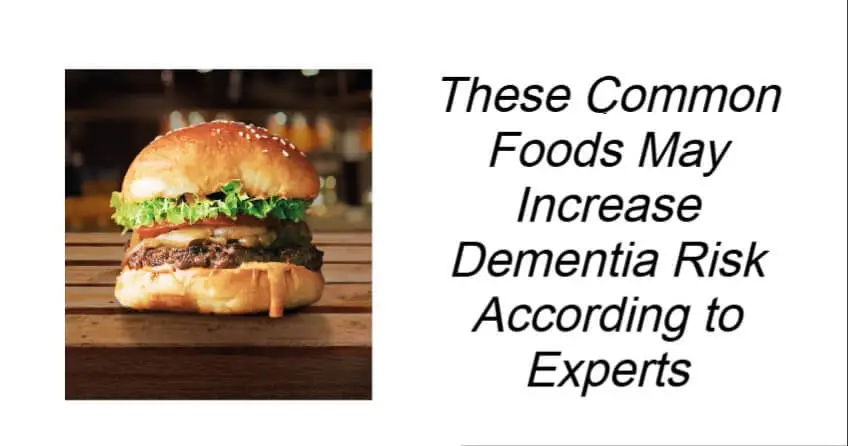
These Common Foods May Increase Dementia Risk According to Experts
Most people are aware that diet plays a major role in heart health, but what you eat also has a powerful impact on your brain. Neurologists and nutrition researchers increasingly warn that certain everyday foods, when consumed frequently over time, may contribute to cognitive decline and raise the risk of dementia.
These foods are often linked to chronic inflammation, unstable blood sugar levels, and damage to blood vessels—processes that can slowly impair brain function. Understanding which foods pose potential risks can help you make smarter, long-term choices for brain health.
Sugary Drinks and Sweet Snacks
Sugary beverages are among the most concerning offenders. Sodas, energy drinks, and sweetened teas deliver large amounts of sugar with little to no nutritional benefit. These drinks cause rapid spikes in blood glucose, which can trigger inflammation throughout the body—including the brain.
Over time, repeated blood sugar spikes are associated with poorer cognitive performance and memory issues. The same applies to sugary snacks like cookies, cakes, and pastries. These foods promote oxidative stress, a process that damages brain cells and may accelerate age-related cognitive decline.
Processed and Red Meats
A growing body of research links high consumption of processed meats to an increased risk of dementia. Foods such as bacon, sausages, hot dogs, and deli meats are typically high in saturated fat and chemical preservatives.
Long-term studies following tens of thousands of people have found that those who regularly consume higher amounts of processed red meat are significantly more likely to develop dementia later in life. These foods may contribute to inflammation and damage blood vessels, reducing healthy blood flow to the brain.
Notably, research also suggests that replacing even small amounts of processed meat with healthier options—such as fish, nuts, legumes, or plant-based proteins—can lower the risk of cognitive decline.
Refined Carbohydrates
Refined carbohydrates include foods made from highly processed flour, such as white bread, pastries, and sugary breakfast cereals. These foods break down quickly during digestion, causing sharp rises in blood sugar and insulin levels.
Repeated exposure to these spikes can promote inflammation and oxidative stress, both of which are linked to neurodegenerative diseases. Diets high in refined carbohydrates have also been associated with symptoms like brain fog, reduced concentration, and mental fatigue, especially when whole grains and fiber-rich foods are lacking.
Ultra-Processed Foods
Ultra-processed foods—such as packaged snacks, instant meals, and many frozen convenience foods—are increasingly associated with higher dementia risk. These products often contain excessive amounts of salt, sugar, unhealthy fats, and artificial additives.
Large population studies have found that people who consume a high percentage of calories from ultra-processed foods face a greater risk of developing dementia. Encouragingly, even modest reductions—by replacing some of these foods with fresh or minimally processed options—were linked to improved cognitive outcomes.
What This Means for Your Diet
Diet alone doesn’t determine dementia risk. Genetics, physical activity, sleep quality, stress, and social engagement all play important roles. However, what you eat consistently over time can either support or undermine brain health.
Experts often recommend dietary patterns like the Mediterranean diet or the MIND diet, both of which emphasize vegetables, fruits, whole grains, fish, nuts, and healthy fats. These approaches are consistently associated with slower cognitive decline and a lower risk of dementia.
Final Takeaway
Protecting brain health isn’t about perfection—it’s about patterns. Limiting sugary foods, processed meats, refined carbs, and ultra-processed snacks while prioritizing whole, nutrient-dense foods can make a meaningful difference over time. Small changes today may help preserve memory, focus, and mental clarity well into the future.
You’ve just read, These Common Foods May Increase Dementia Risk . Why not read Manager Had To Hire A New Employee.