
What a White Tongue Means …and When You Should Be Concerned
A white tongue can have many different causes and is sometimes accompanied by dry mouth or an unpleasant odor. In some cases, brushing your teeth and tongue is enough to make it go away—but what if it doesn’t?
While a white coating on the tongue is often harmless and temporary, persistent or painful changes can signal an underlying issue. Understanding what causes white tongue can help you decide when simple home care is enough and when it’s time to seek medical advice.
Important note: This article is for informational purposes only and is not a substitute for professional medical advice. Always consult a qualified healthcare provider with concerns about your health.
What Is a White Tongue?
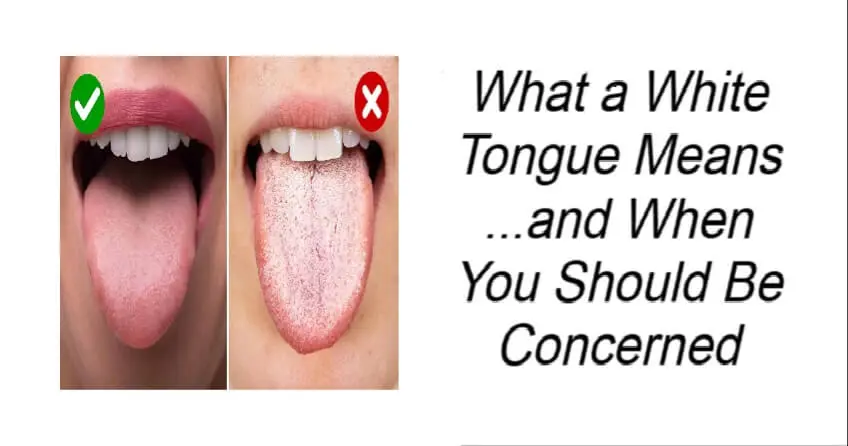
A white tongue occurs when a light-colored coating forms on the surface of the tongue. This coating may:
- Cover the entire tongue
- Appear in patches
- Affect only certain areas
It’s often accompanied by a bad taste or odor. In some cases, the tongue may look as though it has tiny white “hairs.” These aren’t hairs at all—they’re taste buds coated with bacteria, food debris, and dead cells.
A white or slightly yellow film usually clears within a few days. However, if it lasts for several weeks, causes pain, or makes eating or speaking uncomfortable, it’s best to see a doctor or dentist.
Color Matters
- Healthy tongue: Pink
- Brownish: Often linked to excessive coffee or tea
- Yellow: May indicate liver or digestive issues
- Bright red: Can signal a vitamin B deficiency
Why Does the Tongue Turn White?
Most often, a white tongue forms when bacteria, food particles, or dead cells become trapped between swollen or inflamed taste buds. This buildup creates the pale coating you see.
Sometimes, white tongue is linked to specific conditions. One example is geographic tongue, a relatively rare condition marked by irregular white or red patches. While its exact cause is unknown, it’s often associated with stress, illness, hormonal changes, or eating foods that irritate the tongue.
Common Factors That Increase the Risk
Several everyday habits and health factors can make white tongue more likely, including:
- Poor oral hygiene (not brushing, flossing, or cleaning the tongue)
- Wearing dentures or injuring the tongue
- Recent antibiotic use, which can disrupt normal oral bacteria
- A diet low in fruits and vegetables
- Mouth breathing
- Dry mouth caused by medications or medical treatments (such as muscle relaxants or cancer therapy)
Oral Thrush (Tongue Candidiasis)
One important cause of white tongue is oral thrush, a fungal infection caused by an overgrowth of Candida yeast. It appears as creamy white patches on the tongue or inside the mouth and may be accompanied by:
- Redness or soreness
- Cracking at the corners of the mouth
- Difficulty swallowing
People at higher risk include those with weakened immune systems, diabetes, or those using antibiotics or corticosteroids. Treatment usually involves antifungal medication and improved oral hygiene.
Can Tongue Piercings Cause White Tongue?
Yes—temporarily. After a tongue piercing, a white coating may appear due to increased bacterial activity as the area heals. This is normal and usually resolves within one to two weeks.
Using an antibacterial mouthwash can help, and it’s best to avoid hot, spicy, or acidic foods during healing. A small ring of tissue around the piercing is also a normal sign of recovery.
How to Get Rid of White Tongue at Home
If the cause is mild, these steps may help reduce or prevent white tongue:
- Drink plenty of water to prevent dry mouth
- Brush your teeth twice daily with a soft-bristled toothbrush
- Gently clean your tongue with a tongue scraper or toothbrush
- Use mild fluoride toothpaste and alcohol-free mouthwash
- Avoid smoking and other irritants
- Limit spicy, salty, acidic, or very hot foods
When to See a Doctor or Dentist
If your white tongue:
- Lasts longer than two weeks
- Causes pain, swelling, or bleeding
- Comes with fever or difficulty swallowing
…it’s time to seek professional care.
Your GP can evaluate whether the coating is linked to an underlying condition and recommend treatment. A dentist can help remove buildup, assess oral health, and prescribe medication if needed.
The Bottom Line
A white tongue is usually harmless and temporary—but persistent changes shouldn’t be ignored. With good oral hygiene and awareness of potential causes, most cases are easy to manage. When symptoms linger or worsen, getting checked can provide reassurance and prevent more serious problems.
You’ve just read, What a White Tongue Means. Why not read Manager Had To Hire A New Employee.