
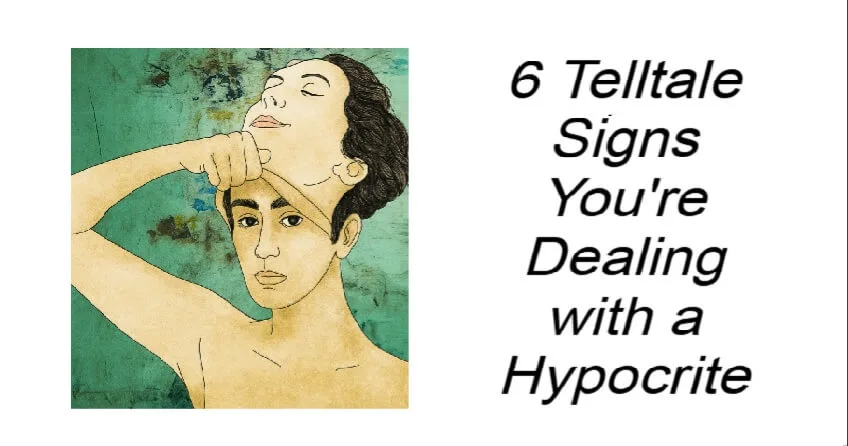
6 Telltale Signs You’re Dealing with a Hypocrite
Research by Jordan & Monin (2008) reveals a troubling pattern: individuals who frequently engage in moral grandstanding—those loud declarations of virtue—are often more selfish and self-serving when unobserved. They use morality as a performance, not a principle.
So how can you spot a hypocrite in everyday life? Here are six psychologically grounded signs:
1. Gossiping as a Habit
Hypocrites often weaponize gossip—not just for entertainment, but to mask their own insecurities.
Robbins & Karan (2019) found that chronic gossipers tend to experience higher anxiety and low self-esteem.
They criticize others to elevate themselves. In contrast, genuinely kind individuals may offer constructive feedback—but rarely resort to slander.
2. Selective Kindness Based on Power
They treat powerful people with excessive charm, yet act cold or dismissive toward those they deem “lesser.”
This “kiss up, kick down” behavior reflects the Status Effect, described by Susan Fiske (2010). People who value others only for their status often lack empathy, viewing relationships through utility rather than human dignity.
3. Resentment Toward Others’ Success
Instead of celebrating others’ wins, hypocrites feel threatened. They may criticize, belittle, or minimize others’ achievements.
This aligns with Leon Festinger’s Social Comparison Theory (1954):
Those with fragile self-esteem engage in downward comparisons, leading to envy rather than inspiration. Emotionally mature individuals, on the other hand, are motivated by others’ success—not bittered by it.
4. Help That Comes with Strings Attached
Hypocrites only help when there’s something in it for them: recognition, status, leverage.
According to Batson (1991), this is a hallmark of egoistic motivation, where acts of “kindness” are purely transactional.
True altruism, by contrast, stems from empathy—giving when no one is watching, and nothing is expected in return.
5. Constant Need for Attention
Even small achievements become opportunities for public applause. Their identity is built on how others perceive them, not on who they really are.
In their study on narcissism, Campbell & Foster (2007) found that such individuals often lose touch with their core values, replacing authenticity with image management.
Sincere people, however, prioritize the respect of close relationships over public approval.
6. Big Promises, Little Action
Hypocrites often overpromise and underdeliver. They speak in grand terms about values, goals, and future plans—but vanish when real effort is required.
This is a form of what Baumeister (2001) calls “moral illusion”—talking big to appear noble, while lacking the integrity to follow through.
By contrast, authentic people may promise less—but when they do, they commit fully.
Final Thought: Integrity Happens When No One’s Watching
Hypocrisy isn’t about one-off mistakes—we’re all imperfect. But when someone consistently performs virtue in public while violating it in private, that’s a red flag.
Pay attention not to what people say about themselves, but to how they treat others when there’s nothing to gain.
You’ve just read, 6 Telltale Signs You’re Dealing with a Hypocrite. Why not read Manager Had To Hire A New Employee.