
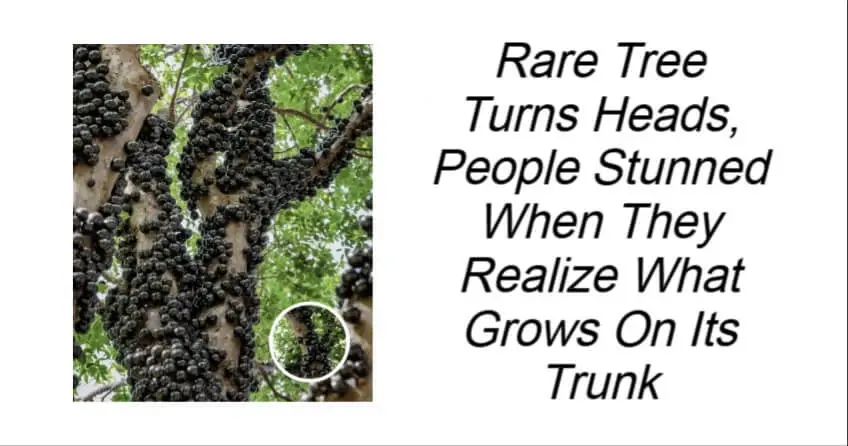
Rare Tree Turns Heads, People Stunned When They Realize What Grows On Its Trunk
Imagine a tree so unique that it grows plump, purple fruit directly on its trunk. Meet the jabuticaba tree, a botanical marvel native to South America, primarily Brazil, where it holds deep culinary, cultural, and visual appeal.
Known for its striking appearance and fast-ripening fruit, jabuticaba is more than a curiosity—it’s a symbol of nature’s inventiveness, deeply rooted in the traditions and tastes of its home.
A Tree Like No Other
Unlike most fruit-bearing trees, the jabuticaba exhibits cauliflorous fruiting, which means its fruit grows directly from its trunk and thick branches. The result? A surreal, almost otherworldly visual that has earned it social media fame and a place in the hearts of nature lovers.
Its name stems from the Tupi language, meaning “place of tortoises.” Fittingly, the fruit’s soft, white interior is affectionately known as “turtle fat.” Its leaves are equally captivating—starting a gentle salmon hue before turning deep green as they mature.
Fast-Growing Fruit with Rich Flavor
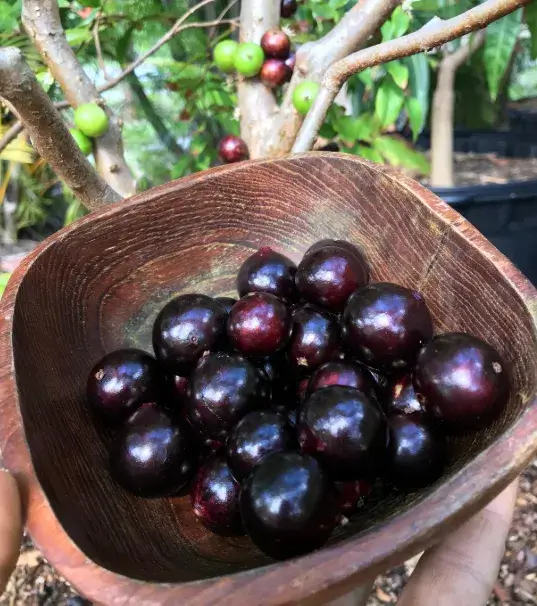
The jabuticaba fruit resembles a grape in both look and taste, with a sweet, tart flavor profile. But don’t wait too long—it ripens quickly, within 20 to 25 days, and begins fermenting almost immediately after harvest.
Culinary & Cultural Uses
- Eaten Fresh: Popped from the skin and enjoyed as-is
- Preserved: Made into jams, jellies, juices, and wines
- Fermented: Its rapid fermentation makes it perfect for homemade wines and liqueurs
- Traditional Medicine: Used in folk remedies to treat asthma, digestive issues, and skin conditions
Deep Cultural Roots
In Brazil, jabuticaba isn’t just food—it’s heritage.
- Symbolic Presence: Featured in the coat of arms of Contagem, Minas Gerais
- Annual Festivals: Towns like Sabará celebrate the jabuticaba with festivals where locals even rent their trees to visitors eager to harvest the fruit themselves
These festivals are both a community celebration and a tribute to the tree’s place in daily life and tradition.
Why Jabuticaba is Truly Special
- Antioxidant Powerhouse: Rich in vitamins C and E, calcium, iron, potassium, and phosphorus
- Visually Striking: The cauliflorous fruiting makes it a favorite subject for photography and storytelling
- Bonsai-Friendly: Its compact size and textured bark make it a popular choice for bonsai cultivation
- Historical Use: Indigenous peoples used the dark pigment from the skin to make natural ink
Nature’s Artistry, Brazil’s Pride
Though rare outside its native region, the jabuticaba tree continues to charm those who encounter it. It offers not just food, but stories, memories, and traditions—a reminder of how nature often hides its greatest surprises in the most unexpected places.
Whether you admire it for its fruit, its form, or its folklore, jabuticaba proves that beauty and sustenance can grow hand in hand—even from the trunk of a tree.
You’ve just read, Rare Tree Turns Heads. Why not read Manager Had To Hire A New Employee.