
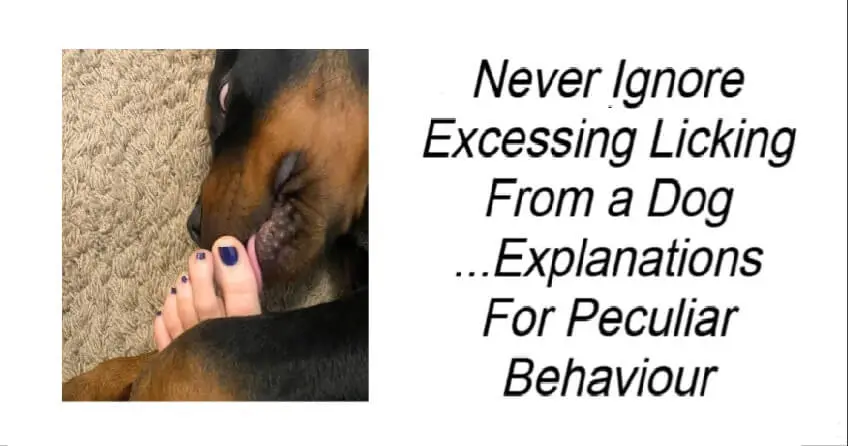
Never Ignore Excessing Licking From a Dog …Explanations For Peculiar Behaviour
Licking is a natural and common behavior for dogs. Whether it’s grooming themselves, showing affection, or exploring their environment, dogs use their tongues to communicate and connect. But when licking becomes excessive or obsessive, it might signal something more than just a quirky habit.
So, when should you be concerned—and what’s causing it?
In this post, we’ll break down the most common behavioural and medical reasons for excessive licking, helping you better understand your dog and know when to seek help.
Common Behavioral Reasons for Excessive Licking
In many cases, dogs lick frequently due to emotional or learned behaviours. Here are six common reasons that may explain your pup’s licking habits:
1. Boredom or Anxiety
Licking can be a soothing action that releases calming chemicals like dopamine and endorphins. If your dog is alone for long periods, or lacks stimulation, they might start licking to cope.
Signs to watch for: Licking increases during quiet times or when you’re away.
What helps: Provide more mental stimulation (toys, walks, puzzles) and consider calming aids if separation anxiety is a factor.
2. Affection
Licking is often a sign of love and bonding. It’s a behaviour puppies learn from their mothers and may continue into adulthood as a way of showing care.
When it happens: Your dog licks you, other pets, or even themselves in calm, affectionate moments.
3. Attention-Seeking or Greeting Behavior
Sometimes dogs lick simply to get your attention or say hello.
If it happens: When you return home, during playtime, or while you’re ignoring them.
Tip: Try redirecting the behavior by offering a toy or using training to reward calm greetings.
4. Habit
Like nail-biting in humans, licking can become a compulsive habit over time—especially if not addressed early.
Solution: Distraction techniques (toys, commands, redirection) can help interrupt and reduce habitual licking.
5. Taste
Your dog may be licking your skin because you taste interesting—from salty sweat to food residue or scented lotions.
Try this: Wash your hands or avoid applying heavily scented lotions if licking becomes constant.
6. Hunger
Licking can signal that your dog is hungry. In nature, puppies lick their mother’s mouth when they’re ready to eat—and some adult dogs retain this instinct.
Watch for: Licking around mealtimes or near food bowls.
Possible Medical Reasons for Excessive Licking
When licking becomes intense, causes skin irritation, or is focused on specific areas like the paws or joints, it might be due to a health issue. Here are some possible medical causes:
1. Allergies
Environmental allergens (pollen, dust, grass) or food sensitivities can cause itchy skin, leading to licking and chewing.
- Clues: Seasonal licking, red or irritated skin, or licking after meals.
- Solution: A vet can perform allergy tests or recommend diet adjustments.
2. Skin Infections
Yeast, bacteria, or mites can create itchiness and discomfort that your dog tries to soothe through licking.
- Look for: A musty odor, red patches, hair loss, or constant licking in one spot.
- Treatment: Requires diagnosis by a vet and proper medication.
3. Pain or Discomfort
Dogs may lick joints or limbs to self-soothe chronic pain, such as arthritis or past injuries.
- Warning signs: Licking specific areas repeatedly, stiffness, or trouble standing up.
- What to do: A vet exam and X-rays may help identify underlying pain.
4. Obsessive-Compulsive Disorder (OCD)
Some dogs develop compulsive licking behaviours due to stress, trauma, or genetics. This often needs behavioural intervention or, in severe cases, medication.
5. Gastrointestinal Issues
Licking odd surfaces (like carpets, walls, or the air) can be a sign of nausea or digestive distress.
- Interesting fact: A study found about 60% of dogs with excessive licking had a GI condition.
- What helps: A vet can run tests and suggest dietary or medication changes.
When to See the Vet
Seek professional advice if your dog’s licking:
- Causes hair loss, redness, or open sores
- Is sudden or out of character
- Focuses on one spot, especially joints or paws
- Is accompanied by vomiting, limping, or behavior changes
Final Thoughts: Is It Just a Quirk, or Something More?
While licking is often a harmless form of communication, persistent or excessive licking deserves a closer look. Understanding the cause—whether emotional, habitual, or medical—can help you support your dog’s health and well-being.
Always observe patterns and consult your vet when in doubt. With the right care, you can help your dog live a happy, healthy, and comfortable life.
You’ve just read, Never Ignore Excessing Licking From a Dog . Why not read Husbands Tries To Get Clever With His Wife