
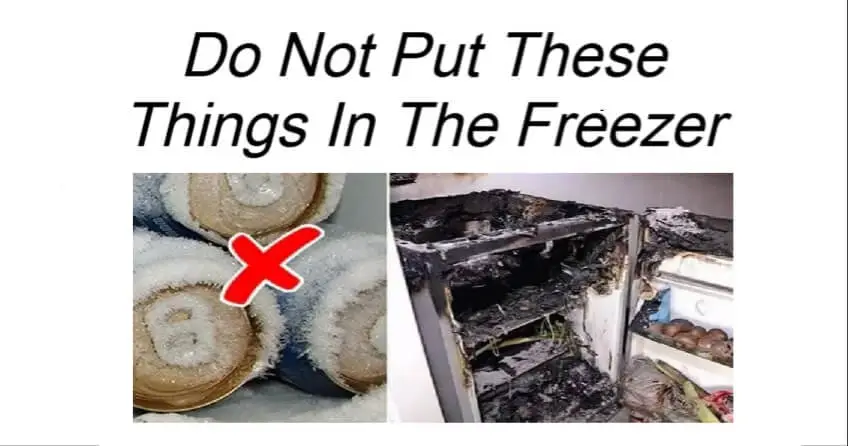
WARNING Do Not Put These Things In The Freezer
We often rely on our refrigerators and freezers to keep food fresh and drinks cold—especially during hot summer days. But what many people don’t realize is that misusing your freezer can pose serious dangers, not just to your appliances, but to your safety and that of your family.
A Shocking Incident in Shanghai
A heartbreaking accident recently made headlines in Shanghai. A 5-year-old boy suffered facial injuries requiring 38 stitches after a soft drink can exploded in his hands. The boy had placed a can of soda in the freezer to chill it quickly on a hot day. When he opened the can, it exploded with such force that it caused a serious injury.
This is not an isolated incident. Doctors report a rise in injuries related to frozen carbonated drinks and other hazardous freezer misuse. It’s a wake-up call to be more mindful about what we store in the freezer.
3 Items You Should NEVER Put in the Freezer
Here are three common items that could cause your freezer—or even your entire fridge—to explode if stored improperly.
1. Carbonated Drinks (Soda, Sparkling Water, etc.)
Why it’s dangerous:
Cans of soda or any carbonated drink contain CO₂ gas under pressure. When placed in the freezer, the liquid inside freezes and expands. Because the can is sealed, the expanding ice and gas build intense pressure until the can explodes—either inside your freezer or in your hands after removal.
Safe alternative:
- Chill in the fridge instead.
- Or immerse the can in ice water for 5–10 minutes for a quick cool-down.
- Never forget it in the freezer!
2. Alcoholic Beverages
Why it’s dangerous:
Alcohol expands when frozen and can cause the bottle to crack or explode—especially if tightly sealed. Some alcoholic drinks are also flammable, increasing the risk of fire if a spark or short circuit occurs inside the fridge.
Safe alternative:
- Chill wine or beer in an ice bucket or wine cooler.
- Serve spirits over ice instead of pre-freezing them.
- Store alcohol in a cool, dry place away from direct heat or light.
3. Dry Ice (Solid CO₂)
Why it’s dangerous:
Dry ice sublimates (turns from solid to gas) rapidly. In a closed environment like a freezer, this can cause CO₂ gas pressure to build up, which may crack or even explode the freezer compartment. It can also displace oxygen, posing suffocation risks in poorly ventilated areas.
Safe alternative:
- Store dry ice in well-ventilated, insulated containers.
- Never seal it in a tight space.
- Always use gloves or tongs when handling dry ice to avoid severe skin burns.
The Bigger Risk: Appliance Damage and Family Safety
Beyond personal injury, misusing your freezer can also:
- Damage the appliance and shorten its lifespan
- Cause fires or explosions from pressure build-up or flammable vapors
- Destroy nearby kitchen equipment and food supplies
- Endanger the health and safety of everyone in your home
Safety Tips for Using Your Freezer
- Only freeze foods and liquids approved for freezing
- Label and date containers to avoid leaving items too long
- Use freezer-safe packaging and leave room for liquids to expand
- Keep a first-in, first-out rotation system to prevent spoilage and forgetfulness
- Supervise children and teach them freezer safety
Final Thoughts
We all want quick and convenient ways to cool our drinks or preserve our food—but convenience should never come at the cost of safety. The tragic accident in Shanghai is a powerful reminder of how small mistakes can lead to severe consequences.
Remember: not everything belongs in the freezer.
By following safe storage practices and understanding which items pose risks, you can protect your family, your home, and your appliances.
You’ve just read, Do Not Put These Things In The Freezer . Why not read Husbands Tries To Get Clever With His Wife