
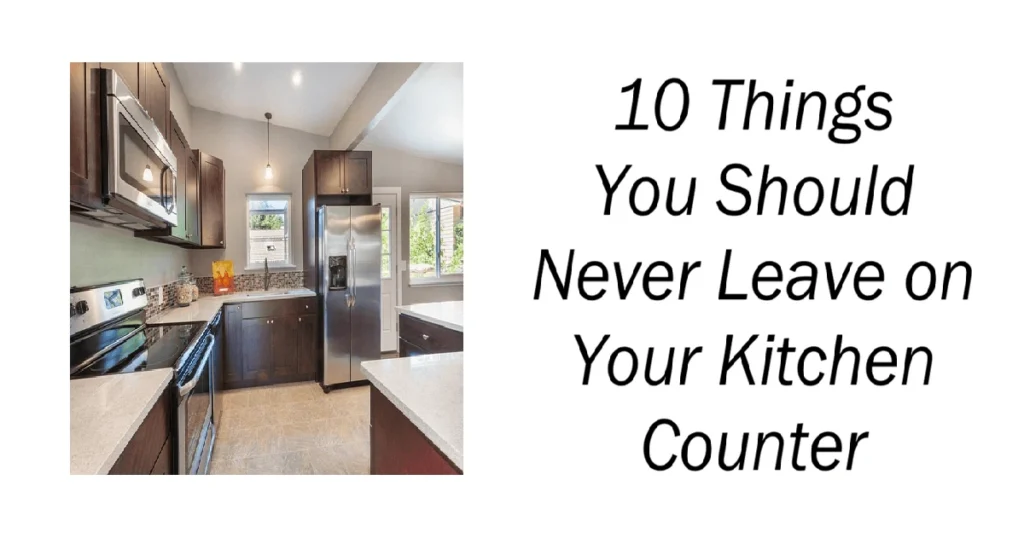
10 Things You Should Never Leave on Your Kitchen Counter …And Why I Finally Stopped
When I first moved into my home, I thought I had kitchen organization figured out.
My logic was simple: keep everything I use most within easy reach.
The bread sat on the counter. The spice rack lived beside the stove. Small appliances lined the backsplash. Cookbooks filled an empty corner.
At first, it felt practical.
But over time, I noticed something surprising.
My kitchen felt smaller.
Messier.
Harder to clean.
And in some cases, I was actually shortening the lifespan of my food and kitchen tools without realizing it.
What I thought was convenience had slowly become clutter.
Once I started clearing unnecessary items from my countertops, the difference was immediate. The kitchen looked larger, cleaner, and more inviting—and I didn’t spend a penny on renovations.
If your countertops seem permanently crowded, these are the 10 items you may want to relocate.
1. Bread
A loaf of bread sitting on the counter might seem harmless, but it’s often not the best place to store it.
Warm temperatures and humidity can encourage mold growth, while dry conditions can cause bread to become stale more quickly.
Better option:
Store bread in a ventilated bread box or freeze extra loaves if you won’t use them within a few days.
Your bread will stay fresher longer, and you’ll free up valuable counter space.
2. Knife Blocks
Knife blocks are a classic kitchen accessory, but they have a hidden downside.
The slots can collect:
- Dust
- Crumbs
- Grease
- Moisture
Over time, these narrow openings become difficult to clean thoroughly.
They also occupy a surprising amount of countertop space.
Better option:
A magnetic wall strip or an in-drawer knife organizer keeps knives accessible while reducing clutter.
3. Small Appliances You Rarely Use
Many kitchens become storage displays for gadgets.
Waffle makers.
Sandwich presses.
Blenders.
Juicers.
Air fryers.
The reality is that most people use only a few of these regularly.
Ask yourself:
When was the last time you used it?
If the answer is “a few months ago,” it probably doesn’t need permanent countertop real estate.
Keep everyday essentials out and store occasional-use appliances in cabinets or a pantry.
4. Certain Fruits and Vegetables
A bowl of colorful produce may look beautiful, but not every fruit or vegetable belongs on display.
Some foods spoil faster when exposed to light and warmth.
Examples include:
- Avocados
- Tomatoes
- Potatoes
- Onions
Improper storage can affect both flavor and shelf life.
Better option:
Store produce according to its specific needs and reserve countertop bowls for fruits that tolerate room temperature well, such as bananas or apples.
5. Spices
Many people place spices beside the stove for convenience.
Unfortunately, heat, steam, and light can gradually reduce their flavor and potency.
Over time, spices stored in warm conditions lose much of their aroma and taste.
Better option:
Keep spices in a cool, dark drawer or cabinet away from direct heat sources.
Your cooking will taste better, and your counters will look cleaner.
6. Mail and Paperwork
Kitchen counters often become accidental drop zones for:
- Bills
- Coupons
- School papers
- Receipts
- Grocery lists
Before long, a small stack becomes a mountain.
Beyond looking cluttered, paperwork can increase stress and make important documents harder to find.
Better option:
Create a dedicated mail station elsewhere in the home and keep the kitchen focused on food and family.
7. Cutting Boards
Large cutting boards leaning against the backsplash may seem convenient, but they often collect dust and food particles while contributing to visual clutter.
Better option:
Store cutting boards vertically inside a cabinet using dividers or organizers.
They’ll stay cleaner and be just as easy to access.
8. Pet Food and Treats
Many pet owners keep kibble, treats, or food containers on the kitchen counter for convenience.
The problem?
Pet food can attract pests and may create lingering odors over time.
Better option:
Store food in airtight containers inside a pantry or cabinet.
Keep feeding stations on washable mats away from food preparation areas.
9. Coffee Beans in Decorative Glass Containers
Those beautiful glass jars filled with coffee beans might look like something from a designer kitchen.
But they’re not ideal for preserving freshness.
Coffee is sensitive to:
- Light
- Air
- Moisture
- Heat
Exposure to these elements can cause beans to lose flavor much faster.
Better option:
Store coffee in an opaque, airtight container in a cool location.
Your morning cup will thank you.
10. Cookbooks
Cookbooks can add charm to a kitchen, but countertops expose them to spills, splashes, grease, and moisture.
They also occupy valuable workspace.
Better option:
Store cookbooks on a nearby shelf and pull them out only when needed.
For favorite recipes, consider using a tablet or saving digital copies.
Why Less Really Is More
Removing a handful of items from your countertop can completely change how your kitchen feels.
Many homeowners notice their space becomes:
✔ Easier to clean
✔ More organized
✔ Less stressful
✔ More spacious
✔ More functional
The best part?
You don’t need expensive renovations, new cabinets, or a complete redesign.
Sometimes the simplest upgrade isn’t adding something new—it’s removing what no longer needs to be there.
A clutter-free countertop creates a kitchen that feels calmer, cleaner, and more enjoyable to use every day.
You’ve just read 10 Things You Should Never Leave on Your Kitchen Counter. Why not read Which French Fry Would You Choose